

Schedule
Teaching hours: 9am-4pm
Drop-off & pick-up: 8am-9am / 4pm-5:30pm
Extended hours (paid): 5:30pm-6pm

App for parents
We share your child’s day-to-day activities and important information with you.

Included
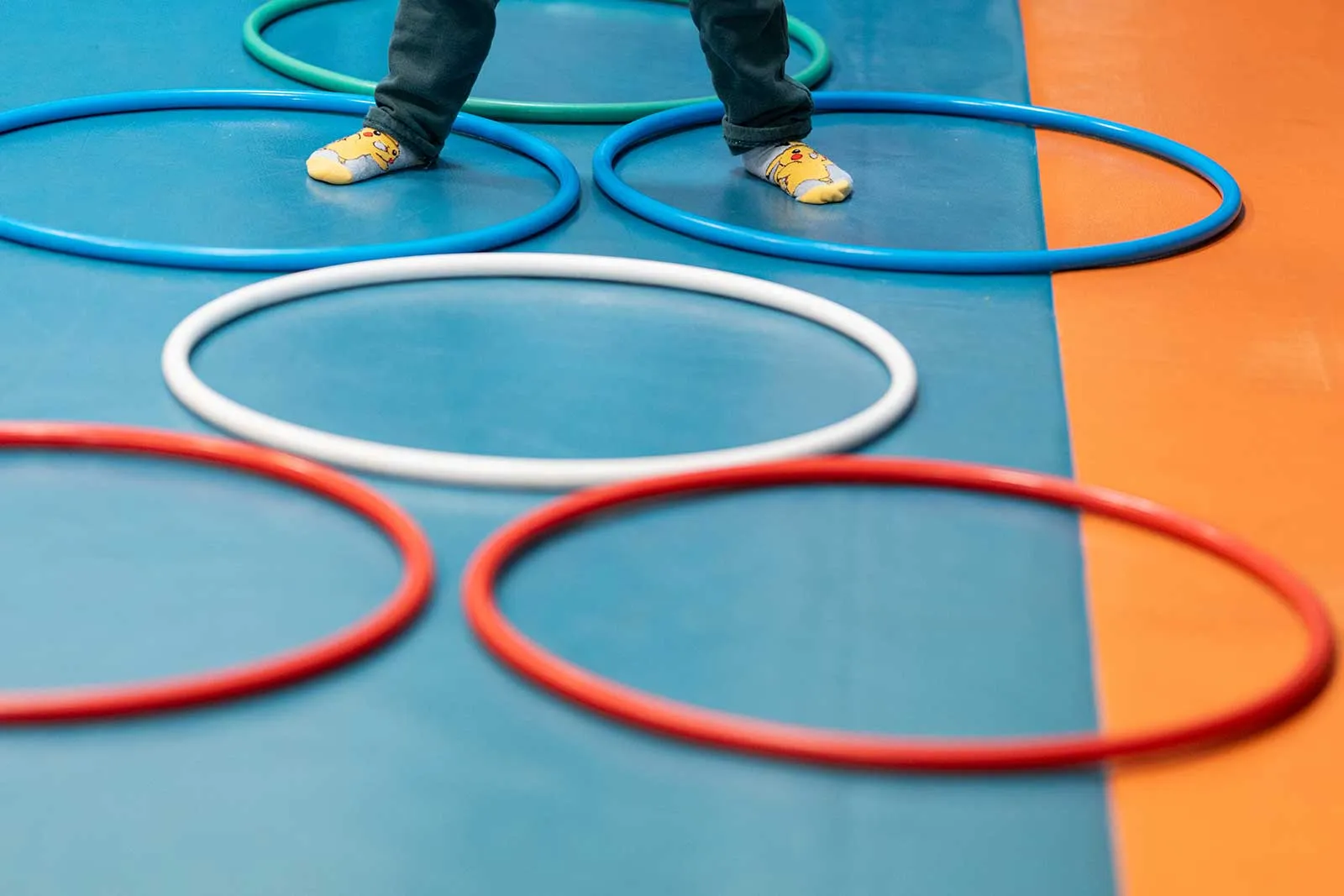
Gymnastics, Music, English and meals prepared at the school, every day.
What the preschool day looks like
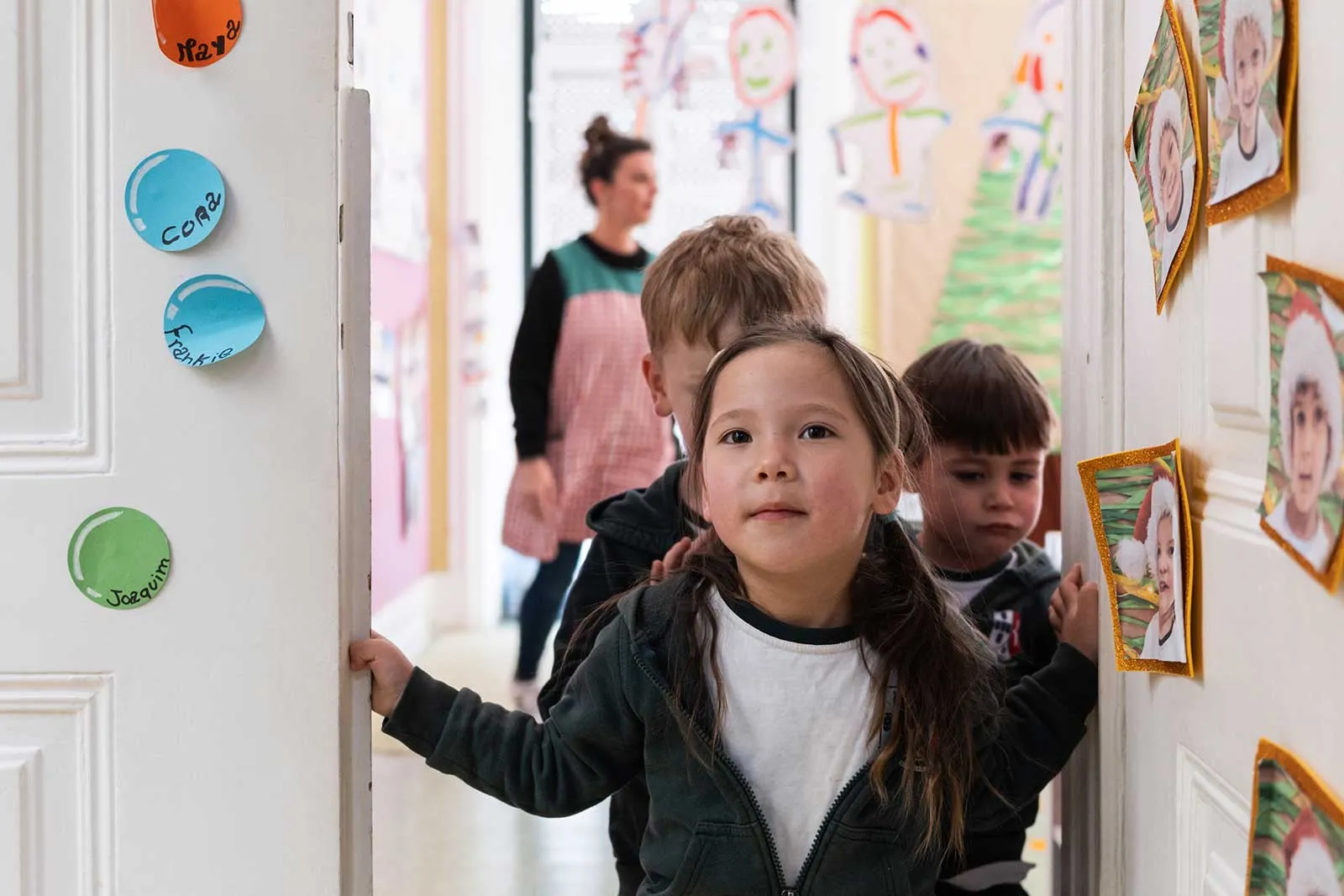
The preschool day is organised around a balance of routine and discovery, helping children feel secure, autonomous and well integrated within the group. A predictable routine is important so that they know what to expect and feel confident throughout the day.
The morning begins with a calm and individualised welcome. Throughout the day, guided activities alternate with moments of free play, allowing children to explore, experiment and interact with one another.
After lunch, there is time to rest. In the 3-year-old classroom, children take a nap according to their needs. In the other classrooms, quieter activities take place, helping to reinforce what has been learned.
The outdoor space is used regularly, giving children opportunities to play, develop motor skills and spend time together. Throughout the year, there are also outings and school trips, which help connect learning to the world around them.
Settling in and relationship with parents
The transition into Preschool is a gradual process, designed to respect the rhythm of each child and their family. In the first few days, integration happens progressively, with shorter periods of attendance, allowing the child to become familiar with the new environment, the adults around them and the daily routines.
Throughout this period, the educational team maintains close communication with the family, sharing information and ensuring individualised support. This communication is also facilitated through the digital platform, which allows regular contact and the sharing of relevant information. The aim is to create an atmosphere of trust, security and care, promoting a calm and positive transition for everyone.
“Childhood is the most important stage of human development.”
Friedrich Frobel


